
欢迎来到爱游戏 平台
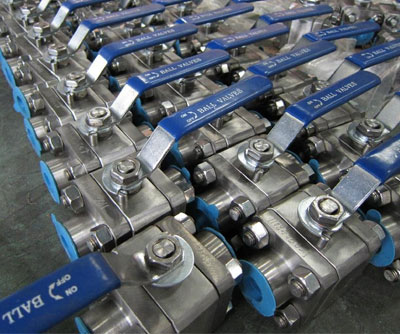
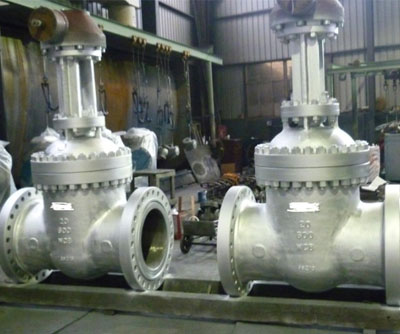
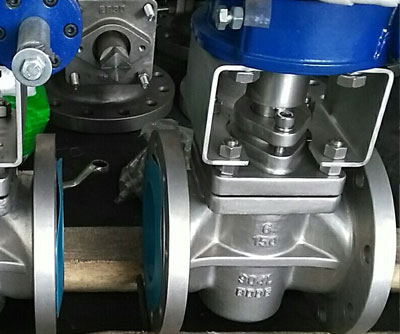
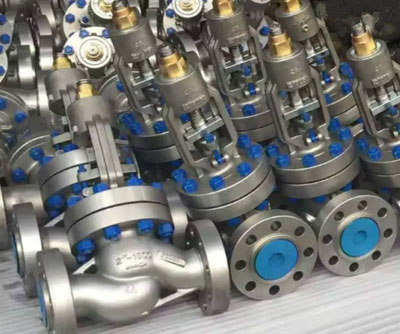
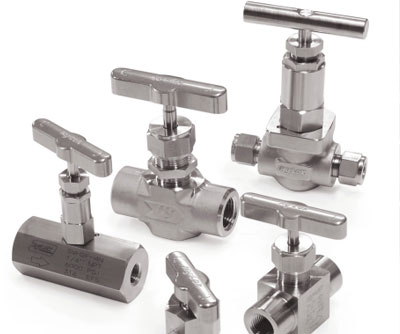
爱游戏直播苹果app公民阀门成立于1981年,是一家不锈钢球阀制造商,现已成为iso9001、14001、OHSAS 18001认证公司,PED和ADW/AD 爱游戏直播苹果app2000认证钢铁工业阀门印度制造公司,通过坚持和努力,我们已经成为领先的制造商之一不锈钢阀门在印度和中国。我们生产各种各样的阀门,包括球阀,闸阀,截止阀,止回阀(NRV),爱游戏ayx网 ,安全泄压阀,引水系统过滤器,针形阀,螺纹端阀门,对接焊,法兰端,清洁阀门,执行机构和附件不锈钢,合金钢,爱游戏ayx官网 ,超级双相钢,铬镍铁合金,蒙乃尔,Hastelloy材料。
爱游戏直播苹果app公民阀门是最大的经销商和分销商AUDCO阀门/阀门门,截止阀和止回阀,API 600 Audco阀门最好的价格保证。
Customer满意度知识渊博的员工,再加上快捷的交货和优惠的价格,意味着我们拥有最快乐的顾客。
强大的库存:市民金属仓库不断地储存着各种各样的阀门,以满足我们客户的需求
关于我们
爱游戏直播苹果app公民阀门是第二大库存商,Audco阀门,Audco球阀,,Zoloto阀门,Shenco阀门在印度的经销商和分销商,针阀,截止阀和蝶阀的供应商,最好的价格的SS阀门。公民金属与主要的工业阀门制造商战略结盟,每一条线互补。
质量
虽然是一家年轻的公司,但Citizen Metals的员工在所有市场都有数十年的阀门和执行机构经验,包括石化、石油和天然气、暖通空调和许多其他市场。爱游戏直播苹果app公民阀门是印度最大的ISO 9001 / ISO 14001/ OHSAS 18001 PED & ADW/AD 2000认证公司。(检查我们的证书)
成就
&奖
我们为我们的成就而自豪(2007-2008 / 2008-2009 / 2009-2010年度最高出口奖得主,由MASSMA, IMC和EEPCINDIA)和在绩效营销行业的认可。
(查看我们的成就和奖项)
经销商/分销商
采购产品阀门,Audco阀门,Beena阀门,Shenco阀门,Peco阀门,Vag阀门,Advance阀门,Gg阀门,Sir阀门,Jyoti阀门,Hp阀门,Scorpio阀门,Forbes阀门,Neta阀门,Nisha阀门,Seal Excel Check阀门,Gm阀门,Mala阀门,Aarko阀门,Sant阀门,Rmw阀门,Zoloto阀门。
以下阀门制造商
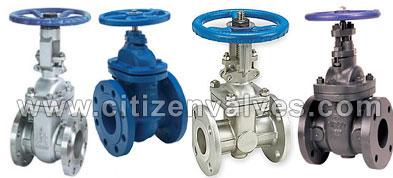 ASTM A216级WCB阀门,铸钢ASTM A216级WCB阀门,A216年级WCB,碳钢铸造ASTM A216级WCB阀门库存商| Traders |供应商|出口商|经销商|分销商|股东|印度制造商
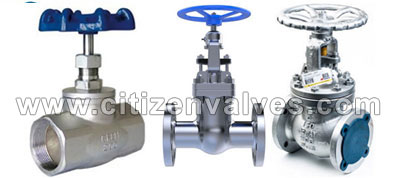
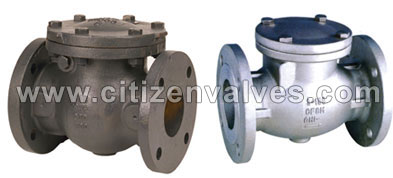
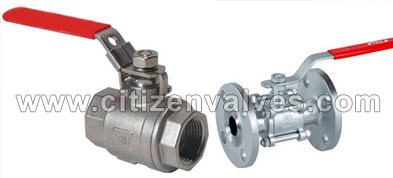
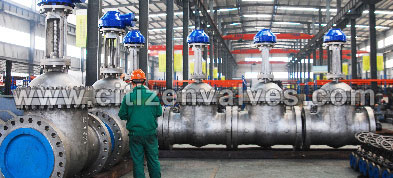
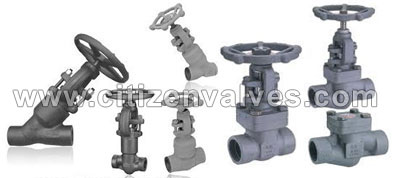
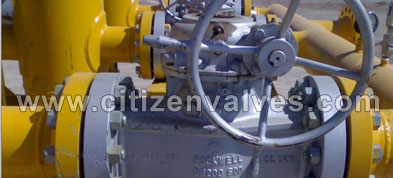
 铸钢ASTM A352级LCA阀门,铸钢ASTM A352级LCB阀门,铸钢ASTM A352级LCC阀门库存商| Traders |供应商|出口商|经销商|分销商|股东|印度制造商
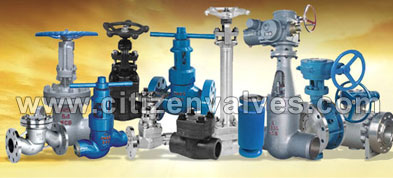 铬镍铁合金625 A494 Gr. CW6MC阀门,ASTM A494 Gr. CW2M阀门,合金铸造A494 Gr. CW2M阀门,铬镍铁合金600 A494 Gr. CY40,合金铸造A494 Gr. CU5MCuC阀库存商|供应商|出口商|经销商|分销商|印度制造商
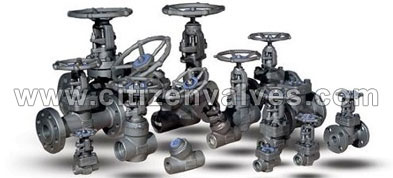 奥氏体-铁素体(双相,不锈钢材料ASTM A995 Gr. 4A,ASTM A995 Gr. 5A阀门,奥氏体铁素体(复式)ASTM A995 Gr. 6A阀门供应商|出口商|经销商|股东|印度制造商
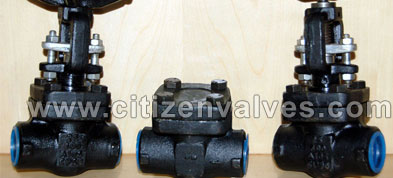 NACE MR0175阀门/ASTM铸造阀门材料:A216 WCB/A351 LF1-LF3/A352/316l cf8m不锈钢阀/库存商| Traders |供应商|出口商|经销商|分销商|股东|印度制造商
ASTM A216 WCB年级,A217 WC1, A217 WC6, A217 WC9, A217 C5, A217 C12 A351 F8, A351 F3, A351 F8M, A351 CF3M, A351 CN7M, A351 CF8C, A351 CD4Mcu, A351 CK3MCuN, A352 LCA, A352 LCB, A352 LCC, A494 CW6MC, A494 CW2M, A494 CW2M, A494 CY40, A494 CU5MCuC, A995 1, A995 4、5 A995, A995 6, NACE麦芽。等级为NACE MR0175/NACE MR阀门印度
专业工业阀门制造商
公民金属成立于1981年,旨在为行业提供高质量的阀门和执行器,包括:
2017年最新阀门价格:
- 阀门:INR 999/-向前
- ayx全站客户端锻造钢闸阀:inr499 /-每件
- 球阀(Audco制造):1000卢比/-向前
- ayx亚洲蝶阀:每件2000卢比
- 锻造碳钢闸阀和止回阀:每件inr999
- 法兰连接截止阀:每件1000卢比
- Audco制造球阀:INR 1499/-件
- ayx全站客户端锻钢闸阀(承插焊):INR 350/-每件
- 锻造截止阀:inr499 /-每件
- C S和S S球阀:INR 499/-每件
- 铸钢闸阀:每件inr1450
- 细密封蝶阀Audcayx亚洲o制造:每件900卢比
- Audco旋塞阀:INR 7500/-每件
- 锻造闸阀:inr499 /-每件
- AUDCO锻ayx全站客户端钢闸阀:INR 299/-每件
- 动压独立平衡阀:inr499 /-每件
- 铸铁球型止回阀,规格:inr999 /-每件
- Spirx Forbs Marshall阀门:INR 1900/-每件
- 闸阀:每件900卢比
- Audco超级h旋塞阀:INR 1900/-每件
- 两件式球阀全通径:每件399卢比
- 三件式球阀-常规通径:每件199卢比
- Audco制造用于水的法兰蝶阀:每件1ayx亚洲900卢比
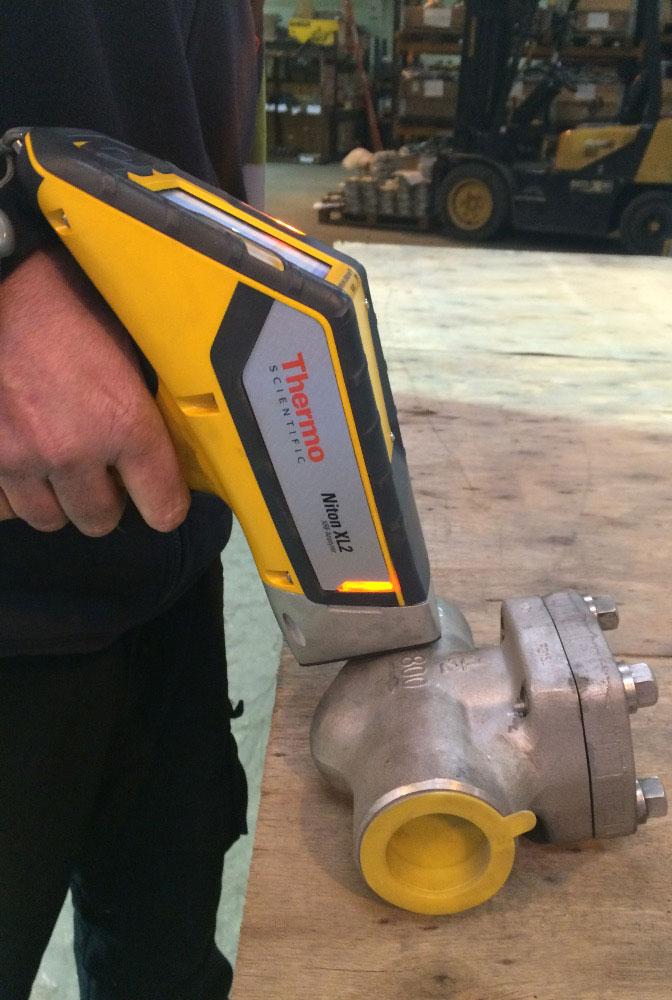
我们的客户